

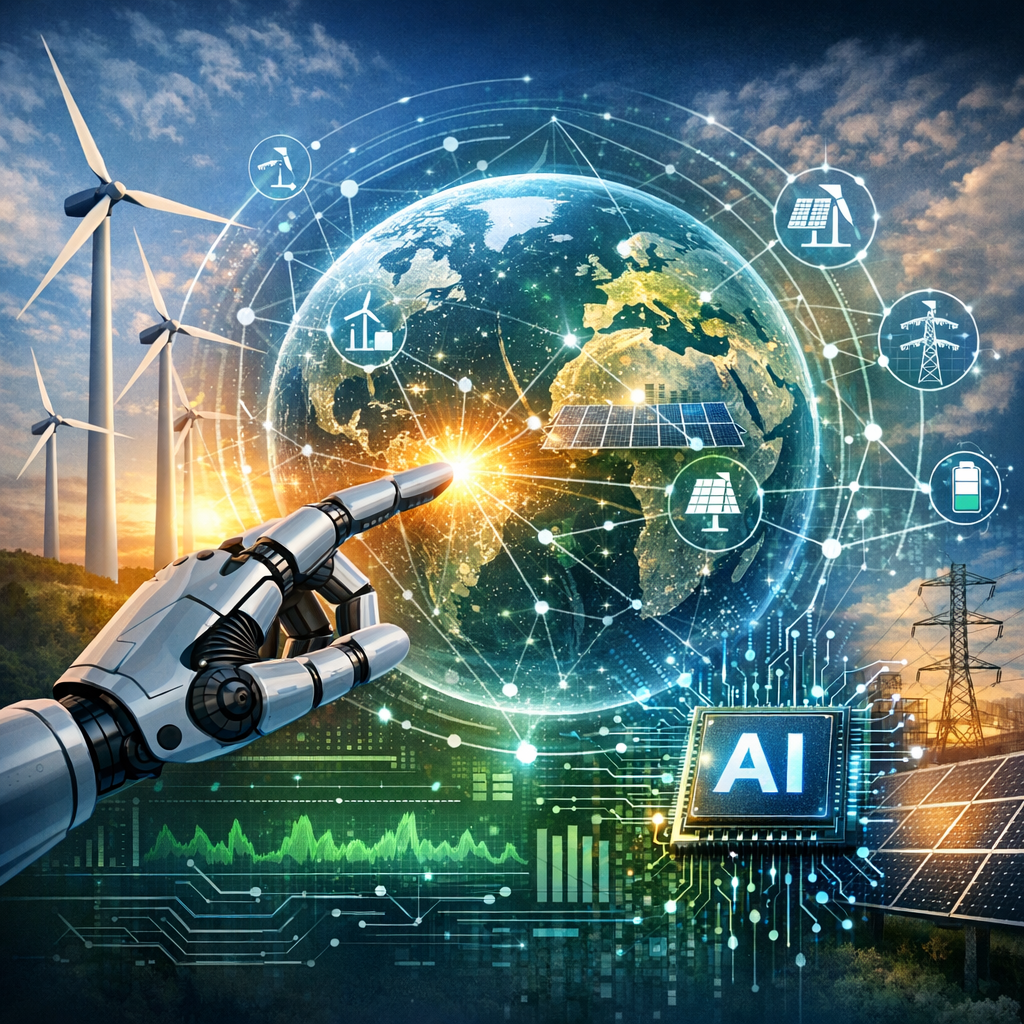
The Role of AI in Meeting Global Renewable Energy Goals
The Role of AI in Achieving Global Renewable Energy Targets
As the world grapples with the escalating impacts of climate change, the shift towards renewable energy has become a critical pathway for sustainable development. Artificial Intelligence (AI) has emerged as a powerful ally in this transition. By optimizing energy systems and enhancing efficiency, AI is playing an instrumental role in helping nations achieve their global renewable energy targets.
Understanding the AI-Driven Energy Revolution
Artificial Intelligence, by definition, involves the use of computer systems to perform tasks that normally require human intelligence. In the context of renewable energy, AI’s capability to process vast amounts of data and predict patterns is invaluable. Here’s how AI is redefining the landscape of renewable energy:
Enhanced Forecasting
- Weather Prediction: AI models can predict weather patterns more accurately, which is crucial for solar and wind energy generation.
- Energy Demand Forecasting: AI helps in predicting energy demand peaks and troughs with high accuracy, ensuring optimal energy distribution.
Grid Optimization and Management
AI enhances grid management by:
- Predictive Maintenance: Utilizing AI to predict faults and disruptions in the energy grid, reducing downtime and maintenance costs.
- Load Balancing: AI algorithms optimize the flow of electricity across the grid, ensuring stability even when renewable energy inputs are intermittent.
Smart Energy Storage
Energy storage systems are essential for stabilizing renewable energy supply. AI improves energy storage by:
- Predicting Energy Storage Needs: AI algorithms forecast periods of excess energy production and low demand, enabling better storage decisions.
- Optimizing Battery Usage: AI manages the charge and discharge cycles of batteries, maximizing their lifespan and efficiency.
AI Impact on Renewable Energy Deployment
Leveraging artificial intelligence facilitates:
- Efficient Resource Allocation: AI helps in identifying the most suitable locations for new renewable energy installations, considering multiple geographical and environmental factors.
- Performance Improvement: AI-driven tools monitor and adjust the operations of wind turbines and solar panels in real-time to maximize energy capture.
- Cost Reduction: Through predictive maintenance and optimal resource management, AI-driven solutions can significantly reduce the operational and maintenance costs associated with renewable energy systems.
Global Renewable Energy Targets and AI
Many countries have set ambitious renewable energy targets as part of their commitments to the Paris Agreement and other international climate commitments. AI is critical in reaching these goals faster and more effectively:
- The European Union: AI plays a crucial role in integrating renewable energy across member states, supporting the EU’s goal of becoming carbon-neutral by 2050.
- China: Utilizing AI to balance its massive solar and wind installations, China is on track to exceed its 2060 carbon-neutral goal.
- United States: AI-driven analytics are assisting in the design and operation of smart grids, pushing forward the U.S. goal of reaching 100% carbon-free electricity by 2035.
The Future of AI in Renewable Energy
The integration of AI into renewable energy systems is just beginning. Future advancements include:
- Autonomous Energy Networks: AI might soon manage entire energy networks independently, maximizing efficiency and sustainability.
- AI in Energy Policy Making: AI tools could assist policymakers by simulating the outcomes of various renewable energy strategies, ensuring informed decision-making.
Challenges and Considerations
While AI offers numerous benefits, there are also challenges to consider:
- Cybersecurity: As energy systems become smarter and more connected, they become more vulnerable to cyber-attacks.
- Data Privacy: With AI’s reliance on big data, ensuring the privacy and protection of gathered data is paramount.
- Ethical and Employment Concerns: The rise of AI in renewable energy sectors requires careful handling of ethical issues and workforce transitions.
Conclusion
Artificial Intelligence is not just a tool for innovation in renewable energy; it’s becoming indispensable for meeting global renewable energy targets. From optimizing the deployment and operation of renewable resources to handling complex energy grids, AI’s role is foundational and expanding. As technology progresses, the synergy between AI and renewable energy promises a brighter, more sustainable future, fostering global collaboration towards a renewable-powered world.