# The State of Solar Adoption in California: 2026 Market Report

California continues to be a leading light in the adoption of solar energy, fueled by ongoing environmental initiatives and legislative support. This 2026 market report delves into current trends, challenges, and forecasts that shape the solar landscape in California.

2026: A Pivotal Year for Solar Energy in California


The year 2026 marks a significant milestone in California's journey towards a sustainable future. The state has not only met but surpassed several key objectives outlined in previous clean energy roadmaps. Here's a snapshot of where things stand:

Key Achievements:

- Increased Solar Installations: There has been a 35% increase in residential solar panel installations compared to 2025.
- Legislative Support: New policies have been implemented that provide financial incentives for both residential and commercial solar energy adoption.
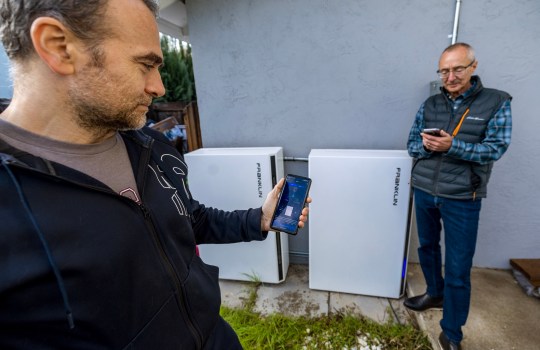
- Technological Advancements: Enhanced solar panel efficiency and the introduction of affordable storage solutions are noteworthy.

The Driving Forces Behind Solar Growth


Several factors contribute to the robust growth of the solar market in California:

Government Incentives and Subsidies

The California government has introduced a variety of incentives to make solar installations more accessible to a broader audience. These include tax rebates, net metering, and subsidized loans.

Environmental Awareness

The growing public awareness about climate change and sustainable living practices has propelled more homeowners and businesses to transition to solar energy.

Economic Sense

As the technology has matured, the cost of installing and maintaining solar energy systems has decreased, making it an increasingly economical choice for energy.

Challenges to Overcome


Despite the positive growth, there are challenges that need addressing to maintain this momentum:

Infrastructure Limitations

The existing electrical grid is often ill-equipped to handle the irregular nature of solar power generation, necessitating significant upgrades.

Regulatory Hurdles

While state policies support solar adoption, there are still numerous regulatory challenges that complicate the installation processes and increase the overhead costs.

Future Outlook: Solar Energy in 2030


Projections for the next few years are optimistic, with substantial growth expected in both the residential and commercial sectors. Key developments include:

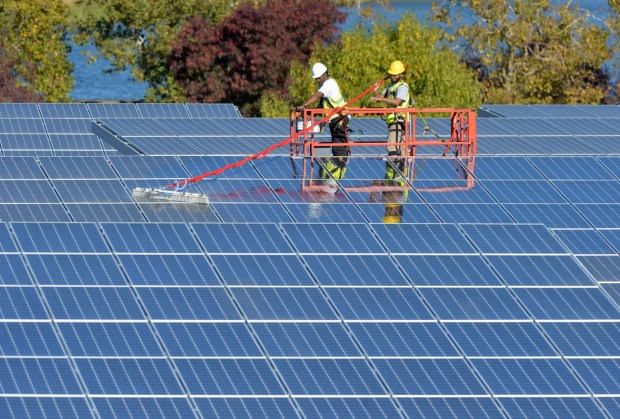
Expansion of Solar Farms

With large tracts of land being designated for solar farms, California is set to significantly increase its solar power output by 2030.

Innovations in Solar Technology

Advances in photovoltaic (PV) technology are expected to improve the efficiency and storage capabilities of solar systems, making them even more attractive to consumers.

Increase in Consumer Adoption

As solar power becomes more cost-effective, more Californians are expected to transition to solar energy, further propelling the state toward its renewable energy goals.

Conclusion


The state of solar adoption in California is strong and poised for continued growth. By addressing the existing challenges and capitalizing on upcoming opportunities, California can continue to lead the nation in solar energy innovation and adoption. This will not only provide environmental benefits but will also spearhead economic growth and sustainability in the state.