# The Evolution of Solar Storage: What's Coming Next

Solar energy has emerged as a pivotal component in the journey towards a more sustainable future. However, one critical challenge in the solar energy sector has been efficient and reliable storage solutions. As technologies advance and demands increase, the evolution of solar storage promises even more exciting developments.

The Current Landscape of Solar Storage


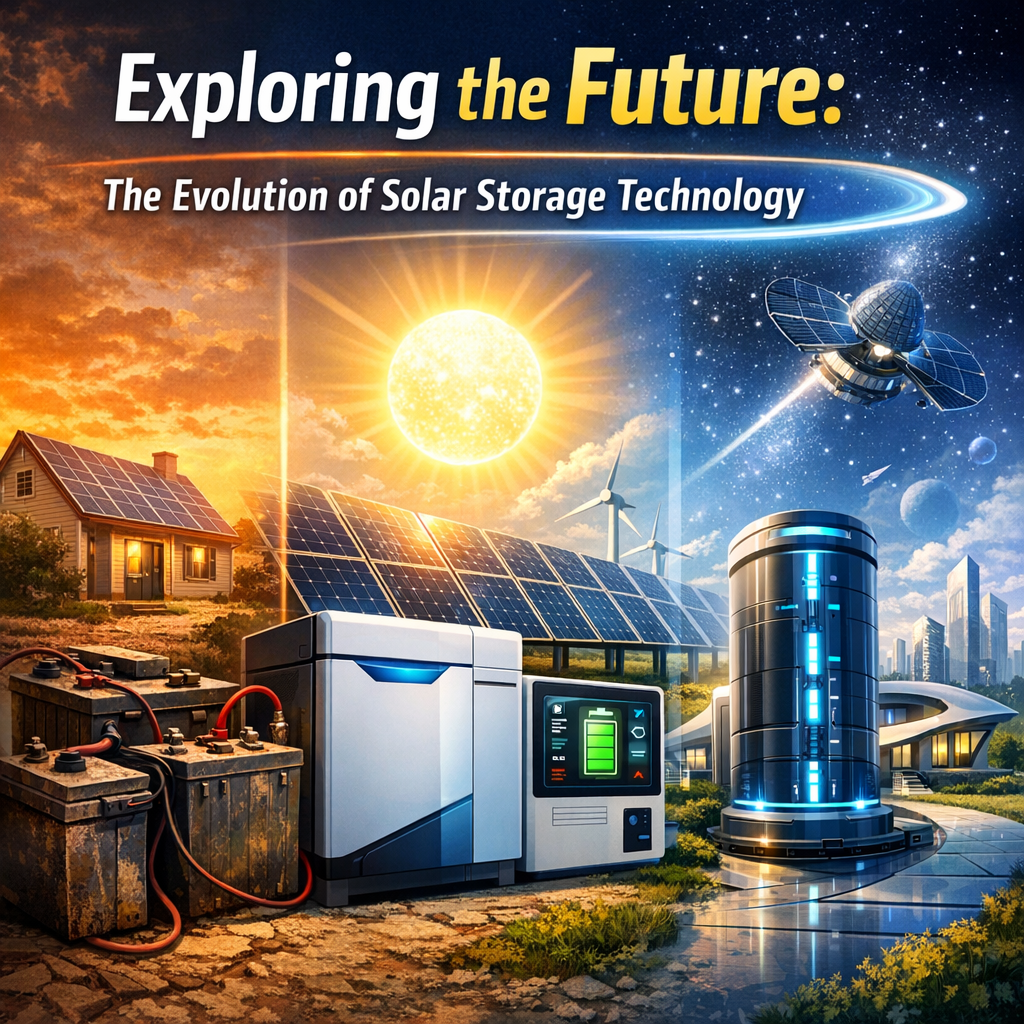
Solar storage technology has come a long way since its inception. Initially, solar systems were designed primarily for real-time use: when the sun shined brightly, energy usage was optimal; when it set, traditional sources filled the void. This all changed with the introduction of better storage solutions.

Lead-Acid Batteries


Originally, solar energy systems relied on lead-acid batteries for storage. These batteries were both cost-effective and reliable. Unfortunately, they also had significant drawbacks such as a short lifespan and heavy environmental impact.

Lithium-Ion Batteries


The narrative began to shift with the advent of lithium-ion batteries. Known for their light weight, high efficiency, and longer life spans, lithium-ion represents a significant improvement over lead-acid models. This technology currently dominates the solar storage market.

Innovations on the Horizon


As we dive deeper into what's next, several exciting innovations in solar storage are set to transform the industry:

1. Solid-State Batteries


Solid-state batteries promise to be the next big thing in solar storage. Unlike lithium-ion batteries, they use a solid electrolyte and not a liquid. This change could potentially offer even longer battery life and improved safety due to lower risks of leaks or fires.

2. Flow Batteries


Flow batteries present another intriguing development. These batteries store electrical energy in liquid chemical solutions, allowing for more scalable and customizable energy storage systems. This technology is particularly suited for large-scale renewable installations, offering a way to maintain energy flow during varying sunshine levels.

3. Green Hydrogen


Green hydrogen, produced through the electrolysis of water using solar power, is another avenue being keenly explored. Although not a direct form of solar storage, it acts as a medium to store energy. The stored hydrogen can be used to generate electricity via a fuel cell or directly as a fuel in various applications. This method provides a practical solution for long-term and large-scale energy storage.

The Benefits of Improved Solar Storage


Enhanced solar storage technologies hold transformative potentials for solar system users:

- Increased Energy Independence: More efficient storage means greater self-reliance. Households and businesses can store excess energy produced during the day and use it at night or during cloudy days, reducing dependency on the grid.

- Reduced Costs: As storage technology evolves and becomes more efficient, the overall costs associated with solar energy systems continue to decline, making solar more accessible to a broader audience.

- Better Sustainability: Advanced storage solutions reduce the environmental impact associated with older battery technologies. For instance, by improving battery life span, the frequency of battery replacement is lowered, thereby reducing waste.

The Challenges Ahead


Despite significant advancements, several challenges remain:

- Cost Issues: Advanced technologies like solid-state batteries and flow batteries are often expensive. Lowering these costs is crucial for widespread adoption.

- Technological Barriers: Some of the cutting-edge technologies are still in their infancy stages and require further development and testing to prove their feasibility at scale.

- Regulatory and Policy Frameworks: For optimal integration of new storage technologies, supportive regulations and policies are essential. These systems must ensure safety, reliability, and affordability.

Conclusion


The future of solar storage is vibrant and promises significant advancements in the near term. As we continue to innovate, the focus remains on developing solutions that are not only technologically advanced but also accessible, affordable, and environmentally friendly. The road ahead is exciting for solar enthusiasts and environmental advocates, as each step brings us closer to a sustainable energy future.