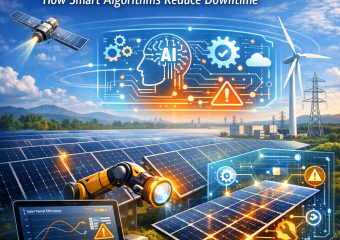


Optimizing Solar Farms: How Smart Algorithms Reduce Downtime
# How Smart Algorithms Optimize Solar Farms and Reduce Downtime

In the rapidly evolving solar energy sector, the decline in costs and advancements in technology have significantly enhanced the efficiency and viability of solar farms. Key to these advancements are smart algorithms that not only maximize energy production but also minimize operational disruptions. This post delves into how these algorithms are revolutionizing solar farm operations.

Overview of Solar Farm Technology


Solar farms harness sunlight to generate electricity on a large scale. They use arrays of photovoltaic (PV) panels or mirrors that concentrate solar radiation. The management of these enormous arrays to optimize efficiency and reduce downtime requires sophisticated technology. This is where smart algorithms come into play.

The Role of Smart Algorithms in Enhancing Efficiency


Real-Time Data Analysis


Smart algorithms are integral in processing the vast amounts of data generated by solar panels. They constantly analyze data regarding sunlight exposure, weather conditions, and panel performance. By processing this data in real-time, these algorithms can predict and adapt to changing conditions to maximize output.

Predictive Maintenance


One of the crucial advantages of using smart algorithms is their ability to perform predictive maintenance. These systems can predict equipment failures before they happen by analyzing trends and anomalies in the data. This proactive approach significantly reduces downtime, ensuring sustained energy production.

Energy Storage Optimization


Smart algorithms help manage the energy storage systems integrated with solar farms. They optimize the charge and discharge cycles based on the forecasted demand and supply, thus enhancing the efficiency and lifespan of storage batteries.

Reducing Downtime through Enhanced Control Systems


Dynamic Panel Adjustment


Utilizing advanced tracking algorithms, solar panels can be dynamically adjusted. These algorithms respond to solar path predictions and weather conditions to alter the tilt and orientation of panels, capturing optimal sunlight throughout the day.

Fault Detection and Immediate Response


The immediate fault detection capability of smart algorithms is pivotal in minimizing downtime. By quickly identifying and diagnosing faults within the system, these algorithms facilitate rapid response solutions, either by triggering automatic repair mechanisms or alerting maintenance teams.

Integration with Meteorological Systems


Smart algorithms integrate seamlessly with meteorological data systems to anticipate adverse weather conditions. This predictive capability allows preemptive measures to protect solar panels during harsh weather, reducing both potential damage and subsequent downtime.

Case Study: Improvements in Solar Farm Output


To illustrate the impact of smart algorithms, consider a solar farm that implemented a sophisticated algorithm suite for dynamic panel adjustment and predictive maintenance. Post-implementation, the farm reported a 20% increase in energy output and a 30% reduction in downtime due to equipment failure. The enhanced predictability and operational efficiency exemplify the transformative potential of smart algorithms in the solar energy sector.

Conclusion


The integration of smart algorithms into solar farm management is reshaping the landscape of renewable energy. By maximizing efficiency and reducing downtime, these technologies not only make solar farms more profitable but also more sustainable. As we continue to innovate, the reliance on such intelligent systems is poised to grow, paving the way for a cleaner, more efficient energy future.
Home Energy Wellness Science Business