
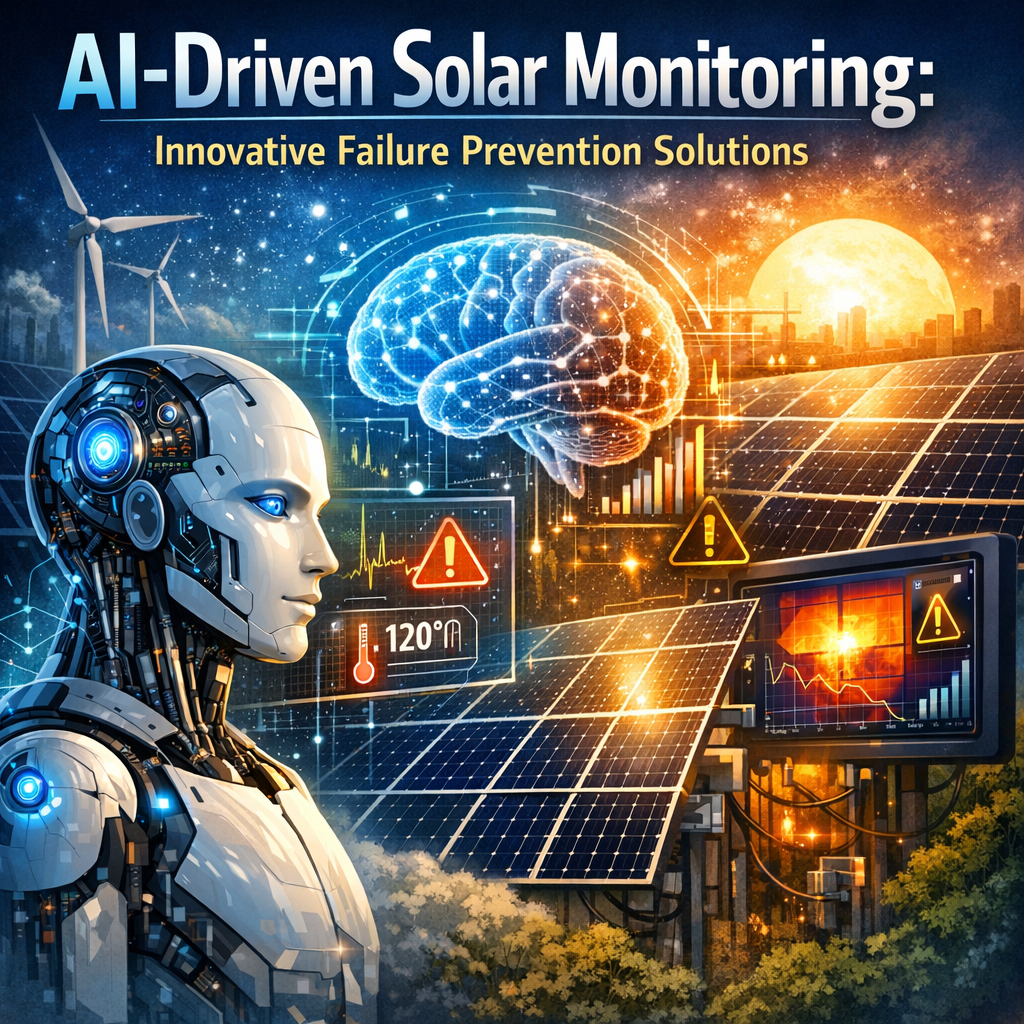
AI-Driven Solar Monitoring: Innovative Failure Prevention Solutions
AI-Driven Solar Monitoring: Preventing Failures Before They Happen
The rise of renewable energy sources has brought solar power to the forefront of global energy solutions. As the adoption of solar technology increases, so does the importance of efficient and reliable system monitoring. Enter AI-driven solar monitoring, a revolutionary approach that utilizes artificial intelligence to predict, detect, and prevent system failures before they can affect performance.
The Significance of Preventive Monitoring in Solar Systems
Solar power systems are complex and sensitive to various operational and environmental factors. The efficiency of a solar panel can be impacted by issues such as shading, dirt accumulation, and component wear and tear. Traditional monitoring methods can identify problems after they have already caused system inefficiencies or failures. Preventive monitoring, however, aims to foresee these issues and address them proactively.
Benefits of AI-Driven Monitoring
- Increased Efficiency: By ensuring that the solar panels operate at optimal conditions, AI-driven monitoring can significantly boost overall system efficiency.
- Extended Lifespan: Early detection of potential issues helps in taking timely corrective measures, thereby extending the lifespan of the solar system components.
- Cost Savings: Preventing major failures reduces the need for expensive repairs and replacements.
How AI Enhances Solar System Monitoring
AI-driven solar monitoring systems utilize a combination of machine learning algorithms and IoT (Internet of Things) technologies. Here’s how these components work together to enhance the monitoring process:
Data Collection and Analysis
AI systems collect data from various sensors installed on solar panels and other system components. This data includes information about power output, temperature, weather conditions, and more. Machine learning algorithms analyze this data in real time to detect any anomalies or patterns that may indicate potential issues.
Predictive Maintenance
One of the key features of AI-driven monitoring is predictive maintenance. Based on historical data and real-time performance, AI predicts when and where maintenance should be carried out. This preemptive approach prevents downtime and enhances productivity.
Fault Detection and Diagnostics
AI algorithms are capable of identifying specific problems, such as a malfunctioning inverter or a damaged solar cell. Sophisticated diagnostics allow for quick troubleshooting, often enabling remote resolution of minor issues without the need for on-site service visits.
Integrating AI Monitoring into Existing Solar Systems
Integrating AI technology into existing solar systems can be seamless with the right tools and partners. Here are the major steps involved:
- Assessment of Current Infrastructure: Evaluate the current monitoring setup and determine the compatibility of new AI technologies.
- Installation of Sensors and IoT Devices: Additional sensors may be required to collect adequate data for AI processing.
- Software and AI Deployment: Implement the software solutions that house the AI algorithms designed for solar monitoring.
- Training and Calibration: AI systems require training based on historical data to accurately predict and detect issues.
- Continuous Updates and Maintenance: AI systems evolve and improve over time, necessitating regular updates to the software and recalibration of models.
Case Studies: Success Stories in AI Solar Monitoring
Several pioneering companies in the renewable energy sector have successfully implemented AI-driven solar monitoring systems. These real-life applications demonstrate significant improvements in efficiency and reductions in maintenance costs. For instance, a solar farm in California reported a 20% increase in productivity after upgrading to an AI monitoring solution. Moreover, maintenance costs were cut by roughly 30% due to fewer on-site inspections and preemptive repairs.
Conclusion: The Future of Solar is AI
As solar technology becomes more prevalent, the role of AI in ensuring its efficiency and longevity cannot be understated. AI-driven solar monitoring represents a leap forward in how we manage and maintain renewable energy sources. By predicting and preventing failures before they happen, these intelligent systems not only save money but also promote the sustainable growth of solar energy globally. This proactive approach is likely to become a standard as we move towards an increasingly green and technologically advanced future.